Yarn and Knitting Needles
A Design Review for Small Business Merchandise
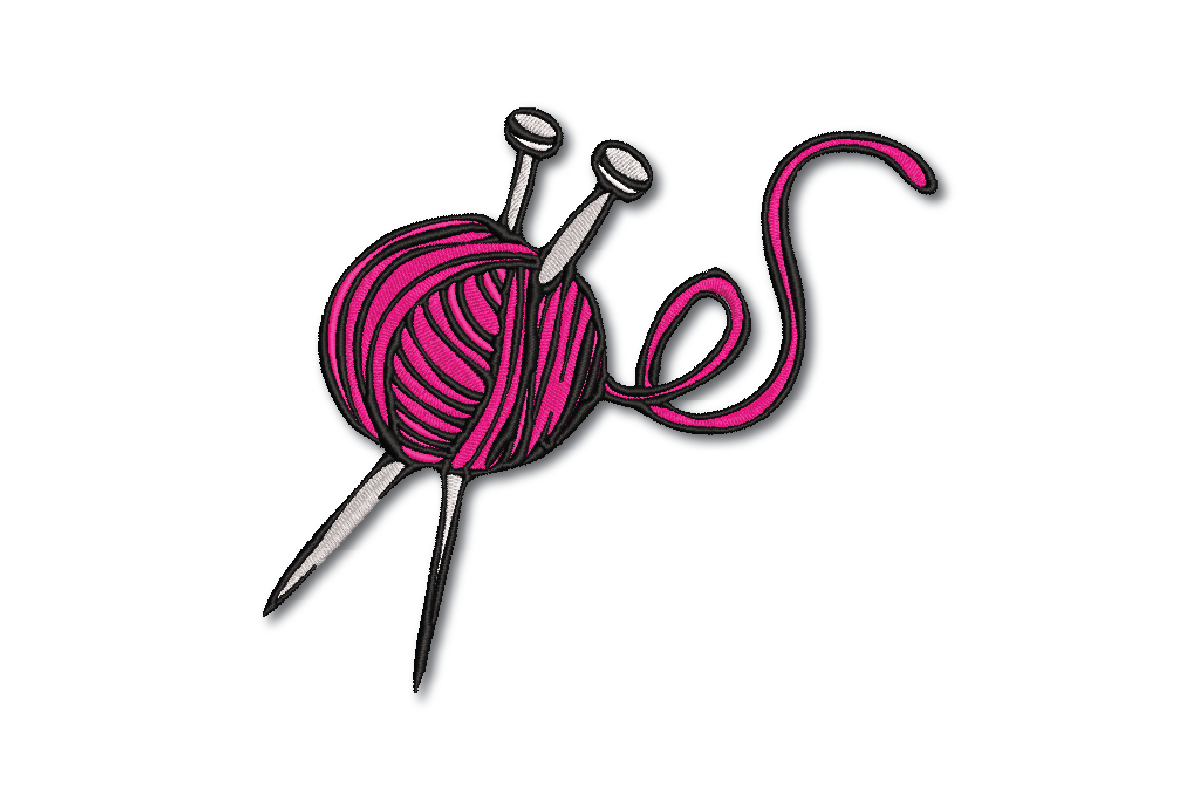
As an experienced embroidery designer, I've had the chance to review a variety of machine embroidery designs for use in small business merch. Yarn and Knitting Needles is one such design that immediately caught my eye with its warm, inviting aesthetic. It feels handmade yet professional, perfect for businesses looking to add a touch of creativity and personality to their products.
The First Impression
At first glance, Yarn and Knitting Needles exudes a sense of craftsmanship and nostalgia. The title alone suggests a connection to the world of crafting, which aligns well with the visual elements in the design. It’s not overly bold or flashy, but rather elegant and approachable. This makes it ideal for a range of applications, from branded patches to custom apparel.
Real-World Business Use
When evaluating embroidery designs for business use, it's crucial to consider how they will perform in real-world scenarios. Yarn and Knitting Needles has the potential to be used across multiple product types, including embroidered patches, staff uniforms, aprons, caps, tote bags, work shirts, and even product packaging accents.
- Embroidered Patches: The design works well as a patch, especially for boutique merchandise or customer gifts.
- Staff Uniforms: Its subtle charm can add a personal touch to employee uniforms without overpowering the overall look.
- Apron Embroidery: The design could serve as a unique detail on aprons, adding both functionality and style.
- Cap Embroidery: It's a great fit for cap fronts, where a smaller, more delicate design is needed.
- Tote Bag Design: The pattern could be used as a decorative element on tote bags, enhancing the visual appeal without being too distracting.
- Product Packaging Accents: It can be a subtle branding element on product boxes or labels, reinforcing brand identity.
Overall, Yarn and Knitting Needles offers versatility and adaptability, making it a strong candidate for various small business merch applications.
Where to Use with Care
While the design is versatile, there are certain areas where it should be used with caution. For instance, small patch sizes may require careful attention to detail to ensure the design remains legible and clear. Similarly, curved surfaces like caps or tote bags might need additional testing to confirm the design’s placement and appearance.
High stitch density and detailed outlines can sometimes cause issues when applied to textured fabrics or dark uniforms. It's important to test the design on different fabric types and in varying light conditions to ensure visibility and clarity.
Additionally, items that require frequent washing, such as aprons or work shirts, should be tested thoroughly to ensure the design holds up over time without fading or fraying.
Impact on Brand Identity
Yarn and Knitting Needles can play a significant role in shaping a brand's identity. Its warm and friendly vibe can help create a welcoming atmosphere for customers, fostering trust and engagement. By incorporating this design into your product lineup, you're not just adding an aesthetic element—you're also building a visual narrative that resonates with your audience.
Consistency is key in branding, and using Yarn and Knitting Needles across multiple product types can help reinforce your brand’s visual identity. Whether it's on a cap, tote bag, or product label, the design maintains its charm and relevance, contributing to a cohesive brand image.
Practical Designer Notes
Before jumping into production, there are several practical steps to take when working with Yarn and Knitting Needles:
- Test in Black and White: Ensure the design works effectively in monochrome before proceeding with color.
- Check Patch Size Compatibility: Confirm that the design scales well at smaller sizes without losing clarity.
- Review Thread Color Contrast: Choose thread colors that provide good contrast against the fabric background.
- Inspect Spacing: Make sure the design doesn't feel overcrowded or too sparse on the final product.
- Confirm Hoop Size: Verify that the file fits within the hoop size you plan to use.
- Test on Real Fabric: Always run a sample on test fabric before stitching on the actual product.
- Use Proper Stabilizer: Select a stabilizer that supports the design and prevents puckering.
- Create a Mockup: Provide a printable mockup for client approval before finalizing the design.
- Compare with Other Assets: Ensure the design aligns with other branding elements for visual consistency.
- Confirm Commercial Licensing: Check that the design is licensed for commercial use if planning to sell the finished product.
By following these steps, you can ensure that Yarn and Knitting Needles performs optimally in your embroidery projects, delivering both quality and value to your customers.