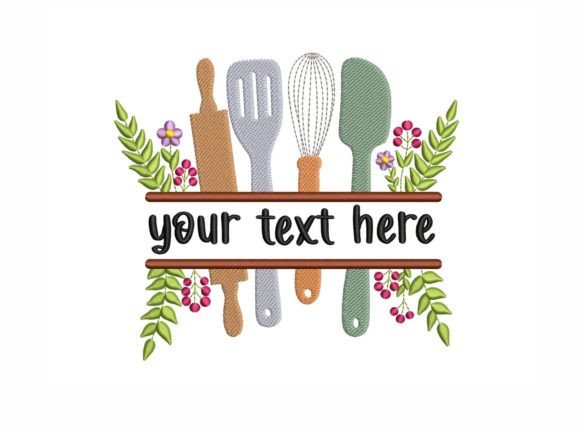
Kitchen Split Frame
First Impressions: A Culinary Canvas
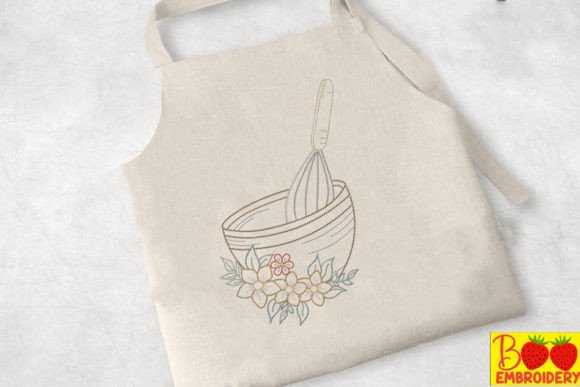
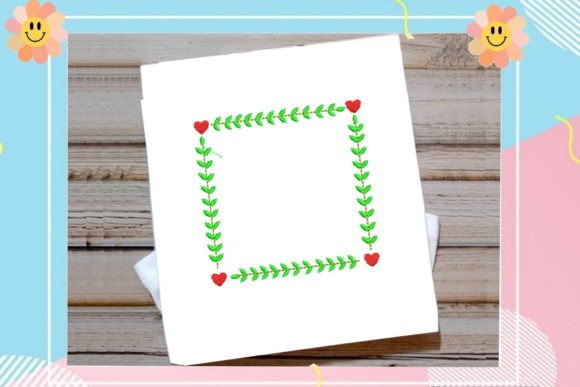
The Kitchen Split Frame design immediately strikes a balance between functionality and visual interest. Its layout is clean, with a central split frame that acts as a natural divider for the kitchen tools scattered around it. The composition feels intentional, almost like a curated kitchen countertop. The overall mood is warm and inviting, fitting for a home or small business looking to add a touch of personality through embroidery.
Design Layout and Detail Level
The Kitchen Split Frame features a mix of bold outlines and intricate details, particularly in the kitchen tools. The split frame itself is well-defined, giving the design structure and focal points. Tools such as pots, pans, and utensils are rendered with a level of detail that suggests they’re meant to be seen up close. However, the design doesn’t feel overly complex, which makes it adaptable for various fabric types and project sizes.
One thing to note is the use of satin stitch and fill stitch on the tools, which adds depth without overwhelming the viewer. This is especially useful for custom apparel or personalized gifts, where clarity and legibility are key. The embroidery file seems to be optimized for readability, though it’s always wise to test it on a scrap piece before committing to a final product.
Real-World Use Cases
The Kitchen Split Frame has a wide range of applications. It could easily be used on a toile tote bag, a sweatshirt, or even a pillow cover. For small shop products, it might work well as an embroidered patch or applique design for aprons or caps. The theme also makes it a great fit for holiday embroidery, especially for gifts like personalized baby items or wedding gifts.
When considering commercial embroidery, the design’s versatility becomes apparent. It can be scaled down for digital embroidery files or upscaled for larger projects like blankets or nursery decor. The stitch density appears appropriate for most hoop sizes, but it’s important to confirm this before purchasing, especially if you plan to use it on small hoop sizes or textured fabrics.
Considerations for Different Fabric Types
While the Kitchen Split Frame looks great on most fabrics, there are a few scenarios where extra care is needed. On thin or stretchy fabric, the design may require additional stabilizer to prevent puckering or distortion. Similarly, dark fabric can make some of the finer details less visible, so testing the design in black and white mockups is a good idea before proceeding.
For layered garments or curved surfaces like hats, the design should still hold up well, thanks to its balanced composition. However, tiny lettering or decorative accents might not translate as effectively in these situations. Always check for thread color contrast and ensure that the embroidery file is compatible with your machine and software.
Visual Appeal and Product Value
The Kitchen Split Frame contributes significantly to the visual appeal of any finished product. Whether it’s a custom apparel item or a handmade product, the design adds a unique element that stands out. Customers are likely to appreciate the attention to detail, which enhances the product value and customer trust.
From a brand consistency perspective, the Kitchen Split Frame offers a versatile template that can be adapted for different craft business needs. It works well for Etsy sellers or small shop products, especially when paired with other kitchen-themed designs. The printable mockup feature also helps in showcasing the design effectively, making it easier to attract buyers.
Practical Designer Notes
Before using the Kitchen Split Frame in a real project, consider these practical tips:
- Test the design on scrap fabric first to ensure it performs as expected.
- Check thread color contrast against the background fabric for optimal visibility.
- Review stitch density to avoid over-stitching or under-stitching.
- Confirm hoop size compatibility to prevent distortion during stitching.
- Inspect small details to ensure clarity, especially in dense stitch areas.
- Test in black and white to assess how the design will look in different lighting conditions.
- Use proper stabilizer to maintain fabric integrity, especially on delicate or textured materials.
- Verify licensing if you plan to sell the finished product or digital version.
These steps help ensure that the Kitchen Split Frame translates smoothly from a digital design to a tangible finished product, whether it’s for personal use or commercial sale.